
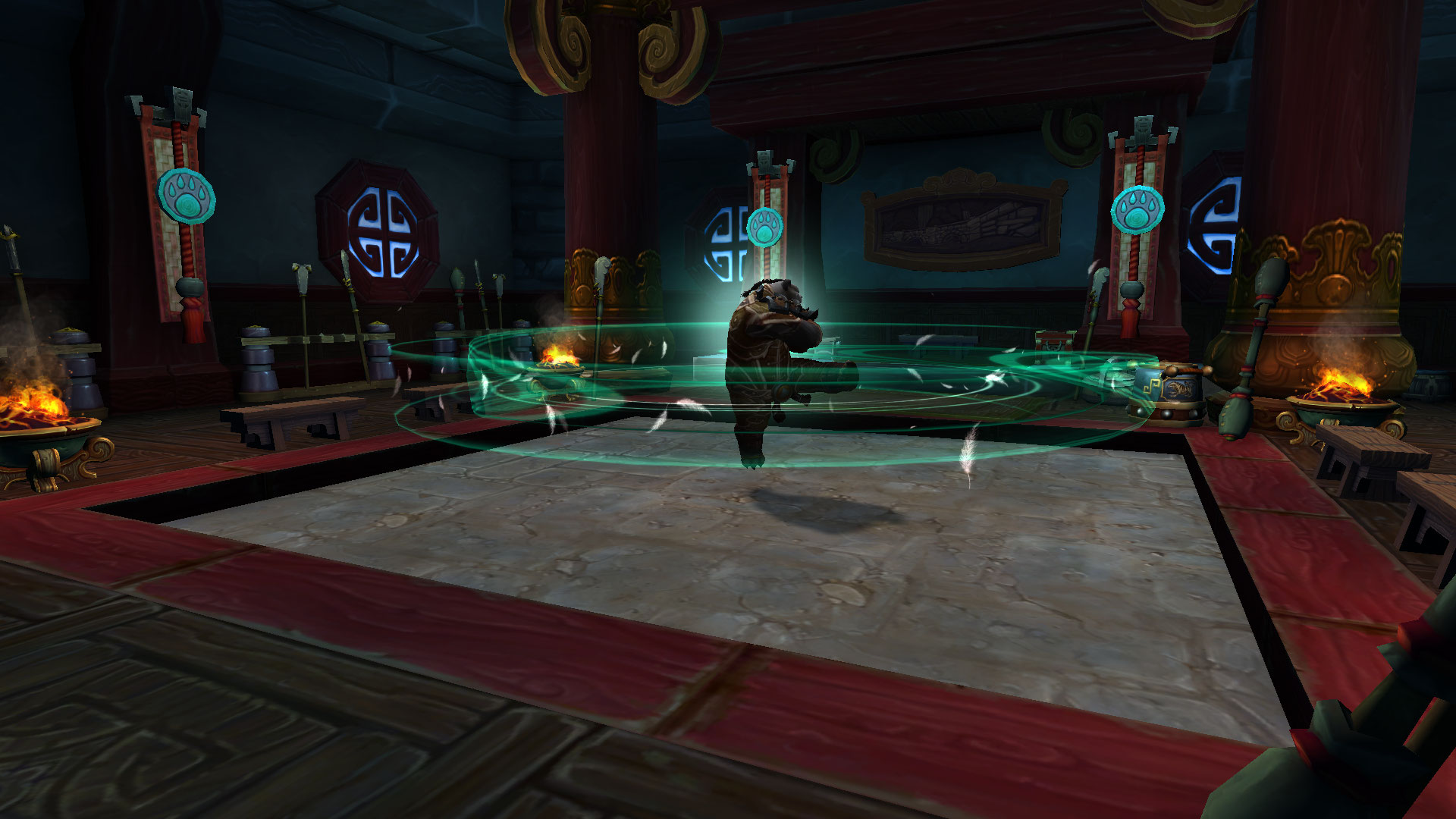
The Monk class introduced in World of Warcraft: Mists of Pandaria (MoP) revolutionized gameplay with its unique mechanics and fluidity. This class not only diversified the game’s roster but also brought a fresh perspective on combat dynamics. With a focus on agility, resource management, and versatile roles, Monks became a favorite among players seeking a dynamic experience. This guide explores the intricate design elements that made the Monk class a standout addition to the game.

What Are the Key Specifications of the Monk Class in MoP?
The Monk class in MoP features unique specifications such as energy-based resource management, three distinct specializations, and a blend of melee and healing capabilities.
The MoP Monk class introduced several innovative metrics that set it apart from other classes. The following table outlines key specifications, including resource types, specializations, and core mechanics that define the Monk’s gameplay experience.
| Resource Type | Specialization | Primary Role | Unique Mechanic |
|---|---|---|---|
| Energy | Brewmaster | Tank | Stagger |
| Chi | Windwalker | Damage | Combo Points |
| Mana | Mistweaver | Healer | Soothing Mist |
How Did Blizzard Engineer the Monk Class for Fluid Gameplay?
Blizzard engineered the Monk class with a focus on seamless gameplay mechanics, allowing players to transition smoothly between roles and abilities.
The design philosophy behind the Monk class emphasized fluidity and responsiveness. Each Monk specialization utilizes a unique resource system—Energy for Brewmasters and Windwalkers, and Mana for Mistweavers—allowing for varied gameplay styles. The ability to generate and spend Chi, particularly for Windwalkers, introduces a combo point-like mechanic that enhances the dynamic nature of combat. This design encourages players to think strategically about their resource management while maintaining a fast-paced combat rhythm.
Moreover, the Monk’s mobility is unparalleled, with abilities like Roll and Transcendence facilitating quick repositioning during encounters. The class also incorporates a variety of crowd control and utility spells, such as Paralysis and Ring of Peace, which further enrich the gameplay experience. This combination of mobility, resource management, and versatile abilities creates a class that feels both engaging and rewarding to play, appealing to a wide range of player preferences.
For example, a Windwalker Monk can quickly switch between dealing damage and providing utility, making them invaluable in both PvE and PvP scenarios. The design encourages players to master their abilities, as the timing and execution of skills can significantly impact performance. This intricate balance of mechanics is what makes the Monk class one of the most fluid and dynamic additions to World of Warcraft.
What Steps Can Players Take to Master the Monk Class?
To master the Monk class, players should focus on understanding their resource management, ability rotations, and situational awareness during gameplay.
Mastering the Monk class requires a deep understanding of its mechanics and optimal play strategies. Players should prioritize learning the intricacies of their chosen specialization, including ability rotations and resource management. This knowledge allows for effective gameplay, maximizing damage output or healing efficiency. Additionally, understanding the synergy between abilities can lead to more effective combat strategies.
- Learn your resource mechanics: Understand how Energy and Chi are generated and spent, and practice managing these resources effectively.
- Optimize your rotation: Familiarize yourself with the optimal ability rotation for your specialization to maximize damage or healing output.
- Utilize mobility: Make use of your mobility skills to reposition during fights, avoiding damage and enhancing your effectiveness in combat.
- Engage in situational awareness: Pay attention to your surroundings and adapt your playstyle based on the dynamics of the encounter.
By following these steps, players can enhance their performance and truly embody the fluidity that the Monk class offers. Continuous practice and adaptation to different scenarios will further solidify a player’s mastery of the Monk.
What Are the Strategic Applications of the Monk Class in Gameplay?
The Monk class offers strategic applications in both PvE and PvP, allowing players to adapt their roles based on group needs and encounter dynamics.
In PvE scenarios, Monks can fulfill multiple roles, making them highly versatile in raid and dungeon settings. Brewmaster Monks excel at tanking due to their unique Stagger mechanic, which allows them to absorb damage over time rather than all at once. This can be particularly advantageous in encounters with heavy damage spikes. Windwalker Monks, on the other hand, provide significant damage output while also offering utility through crowd control and mobility.
In PvP, Monks shine with their ability to disrupt opponents and control the battlefield. Their mobility allows them to evade attacks and reposition quickly, while abilities like Leg Sweep and Ring of Peace can incapacitate enemies, providing crucial moments for their team. This adaptability makes Monks a valuable asset in competitive play, as they can switch between offensive and defensive roles as needed.
Ultimately, the strategic application of the Monk class hinges on understanding the strengths and weaknesses of each specialization. Players should assess their team composition and the specific challenges of each encounter to determine the most effective role for their Monk. This strategic flexibility is a hallmark of the Monk class, allowing players to thrive in various gameplay scenarios.
What Troubleshooting Tips Should Players Consider When Playing a Monk?
Players may encounter challenges with resource management and ability timing; understanding these issues can enhance overall performance.
Common issues players face when playing a Monk include mismanagement of Energy and Chi, leading to suboptimal performance. It’s crucial to maintain a balance between generating and spending resources effectively. Players should also be mindful of their cooldowns and ability timings, as failing to use abilities at the right moment can result in reduced damage output or healing efficiency. Additionally, understanding the mechanics of encounters can help players anticipate when to use defensive abilities or crowd control.
Another potential challenge is the Monk’s reliance on positioning and mobility. Players may find themselves out of position during critical moments, leading to unnecessary damage taken or missed opportunities for damage output. Practicing movement and positioning during encounters can mitigate these issues. Furthermore, players should familiarize themselves with the unique mechanics of their specialization to avoid common pitfalls, such as overextending or neglecting to use defensive cooldowns.
What Future Trends Can We Expect for the Monk Class?
Future expansions may continue to evolve the Monk class, enhancing its fluidity and introducing new mechanics to keep gameplay dynamic.
As World of Warcraft continues to evolve, the Monk class is likely to see further enhancements that maintain its dynamic nature. Future expansions may introduce new abilities or refine existing ones to improve gameplay fluidity. Developers often take player feedback into account, which could lead to adjustments in resource management or ability interactions that enhance the Monk’s versatility.
Additionally, the introduction of new content, such as raids and dungeons, will likely necessitate further adaptations to the Monk class. This could involve new mechanics that challenge players to think creatively about their roles and abilities. As the game landscape shifts, the Monk class will need to remain competitive and engaging, ensuring that it retains its status as a dynamic addition to the game.
Players can expect ongoing support for the Monk class, with potential adjustments aimed at balancing gameplay and enhancing the overall experience. Staying informed about future updates and participating in community discussions can help players adapt to changes and continue to thrive as Monks in the ever-evolving world of Azeroth.